Home exit planning: clear the route you would actually use
A home escape plan needs routes people can use, not just a diagram stored in a drawer. The American Red Cross recommends planning and practising home fire escape, alongside working smoke alarms.
Walk the normal exits
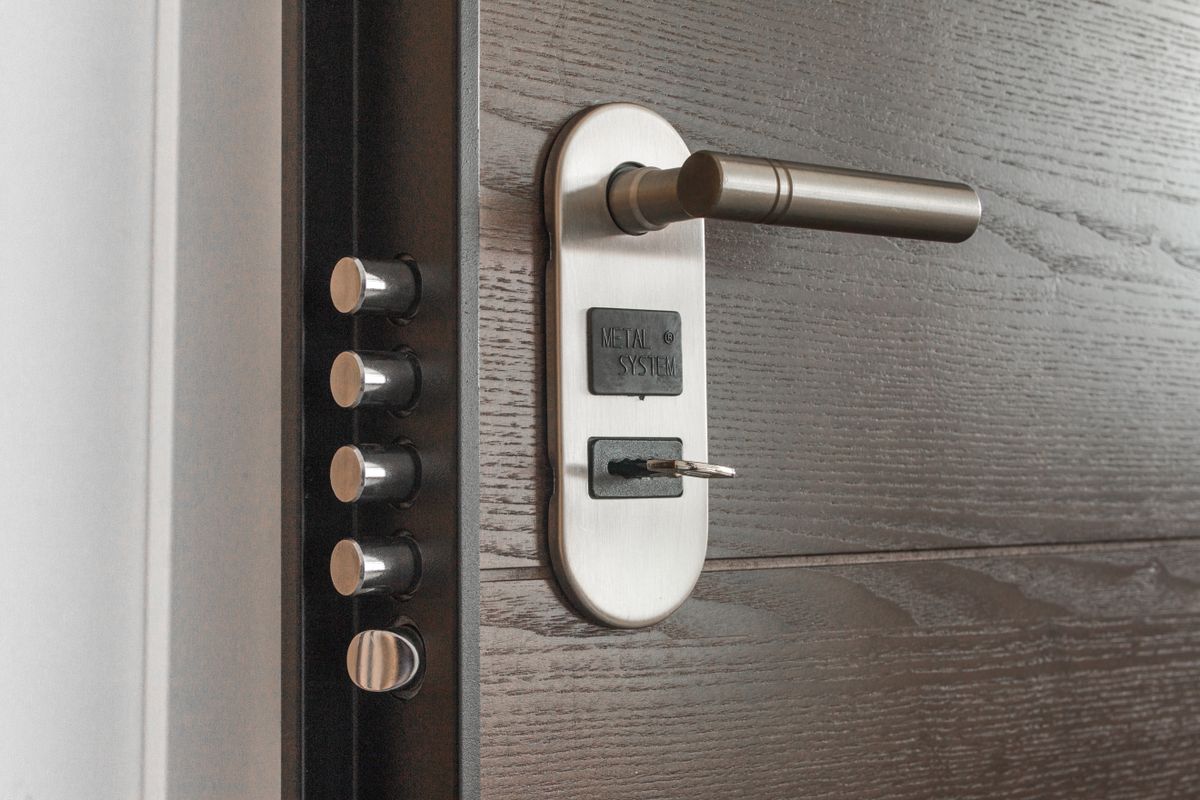
Look for clutter, difficult locks or obstacles that could delay leaving. Include everyone's mobility and support needs in the plan. Ask local fire-safety professionals for advice if a route or building arrangement is unclear.
Agree on the meeting point
Choose a safe outside place and make sure household members know it. Practise according to appropriate local guidance. In a fire, get out, stay out and call the emergency services from a safe location; do not go back inside for belongings.
Keep the plan current
Review after a move, a change in household needs or furniture changes that affect access. Follow smoke-alarm installation and testing instructions and local requirements. This article is a prompt to organise preparation, not a substitute for your building's fire procedures or professional assessment. A clear route and a shared plan deserve attention before an emergency makes the decisions urgent.
Sources & further reading
Source material and official guidance. Original practical suggestions are editorial content, not statements from the organisations below. Checked September 14, 2026.
Have a correction or a question about this article? Contact the editorial team. Read our editorial policy and disclaimer.